Dreaming about exposed brick, tall windows, and original details in Covington? A fixer-upper can be your path to a one-of-a-kind home, but in this city, buying an older property often means navigating both renovation decisions and historic-preservation rules. If you want to know what to inspect, how local approvals work, and how to budget with fewer surprises, you’re in the right place. Let’s dive in.
Why Covington fixer-uppers are different
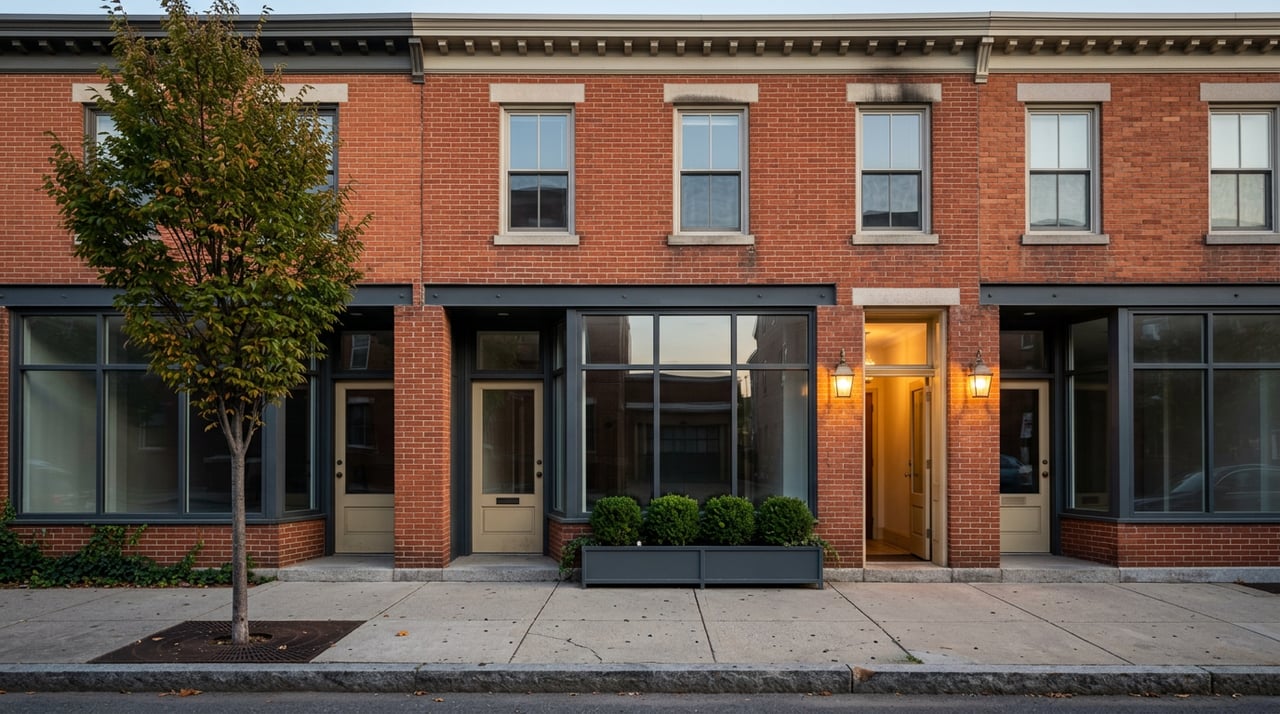
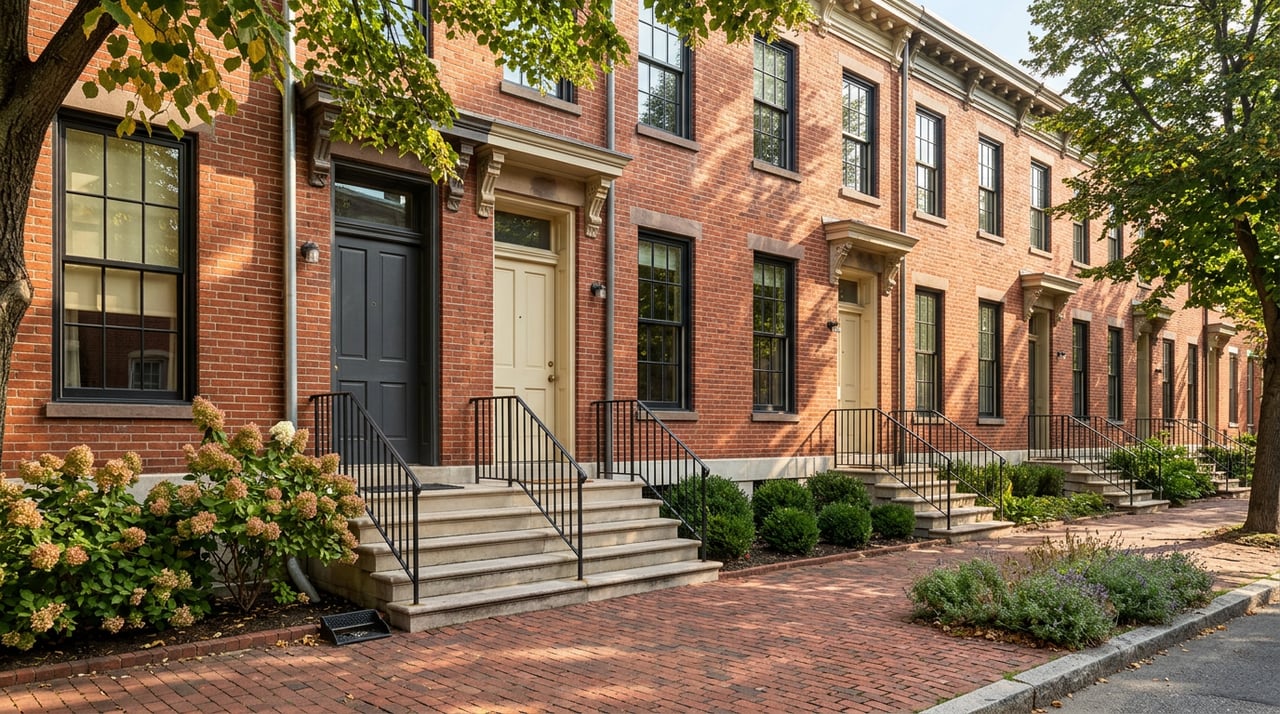
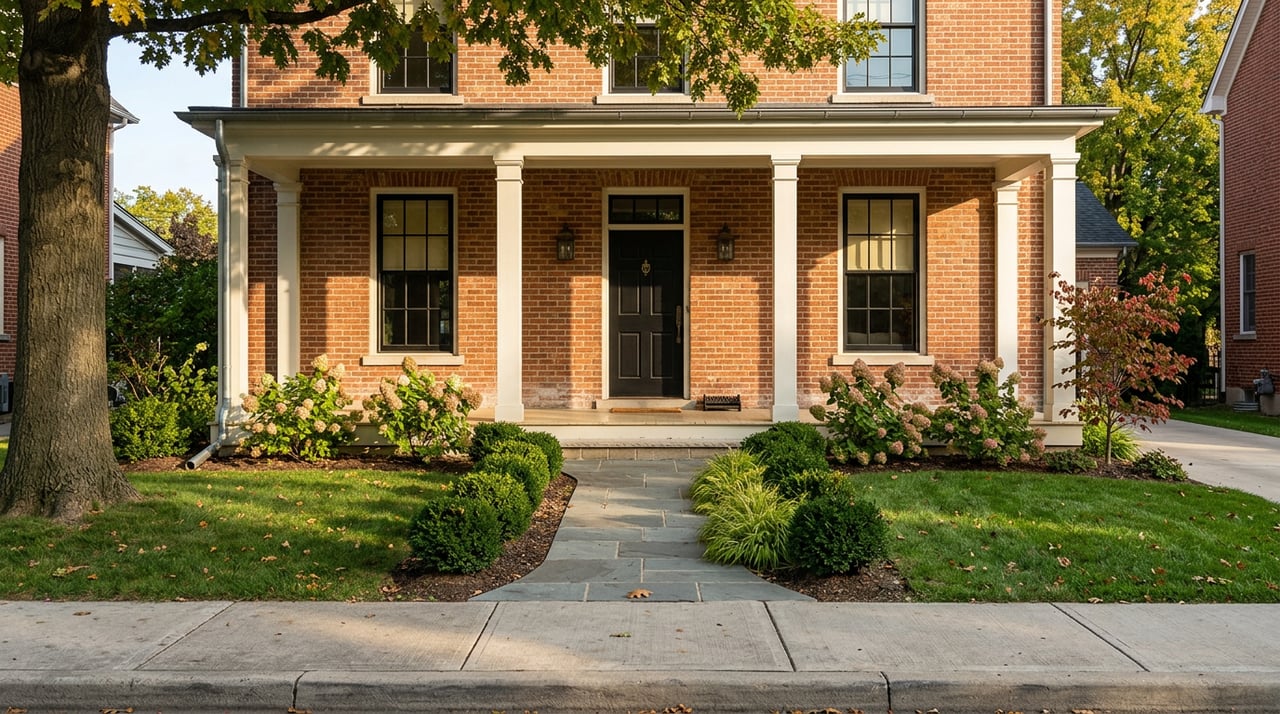
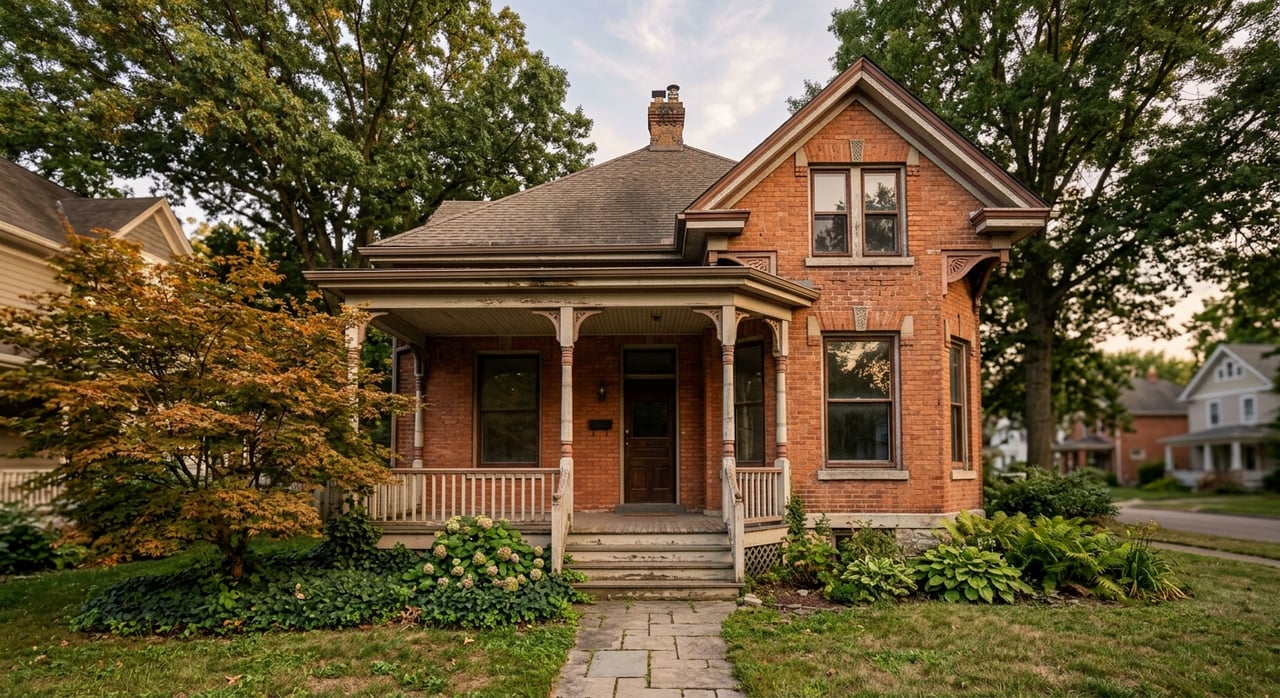
Covington stands out for its older housing stock and architectural character. The city says the region has one of the largest collections of intact brick Italianate houses in the country, which is a big reason buyers are drawn to restoration projects here.
That charm also comes with extra responsibility. In Historic Preservation Overlay areas, exterior changes are governed by local preservation guidelines, so your renovation plan may need review before work begins.
If you are considering a property that might be historic, start by checking the address in LINK-GIS. From there, the city recommends confirming whether the home is in a Historic Preservation overlay and contacting the Historic Preservation Officer before spending heavily on plans or materials.
What to inspect before you buy
A beautiful old house can hide expensive problems. In Covington’s older brick homes, the main red flags are often roof leaks, water intrusion, masonry and mortar failure, electrical issues, plumbing updates, HVAC age, and signs of deferred maintenance.
These issues matter because they affect both your budget and your timeline. A home that looks manageable on the surface can become a much larger project once moisture damage, system upgrades, or masonry repair enter the picture.
Focus on masonry and water first
With many older Covington homes, water is often the issue that drives other problems. Roof leaks and drainage issues can damage plaster, wood, masonry, and mechanical systems over time.
Masonry deserves special attention too. Covington’s preservation materials note that historic brick and mortar were softer than many modern materials, so repairs need to be approached carefully and by professionals familiar with historic techniques.
Understand lead-safety risks
If the home was built before 1978, renovation work can disturb painted surfaces and create dangerous lead dust. The EPA says paid contractors doing renovation, repair, or painting that disturbs those surfaces must be certified and use lead-safe work practices.
If you want to understand the risk before renovation begins, the EPA recommends using a certified lead inspector or risk assessor to test the home. This is especially important if your project involves sanding, window replacement, wall repairs, or other work that may disturb old paint.
Build the right inspection team
For an older Covington fixer-upper, a general inspection is only the starting point. A practical buyer team often includes:
- A home inspector with old-house experience
- A licensed contractor or architect who understands historic review
- Trade specialists if inspection findings point to system, roof, or masonry issues
Covington’s materials recommend working with a qualified architect or contractor for permit applications. Kentucky Heritage Council guidance also says rehabilitation work should meet the Secretary of the Interior’s Standards for Rehabilitation.
How Covington approvals work
One of the biggest mistakes buyers make is assuming they can sort out permits after closing. In Covington, the order of approvals matters, and getting that order wrong can slow your project down.
The city says a zoning permit is generally required before PDS of Kenton County can issue a building permit. If the property is in a Historic Preservation overlay, a Certificate of Appropriateness, often called a COA, is required before zoning review.
When a COA may be required
Some buyers hear “historic review” and think only large additions are affected. In Covington, COA review can apply to a wide range of exterior work.
The city lists these among the work types it reviews:
- Windows
- Paint
- Gutters
- Roofing
- Porches and decks
- Doors
- Siding
- Masonry
- Demolition
- Additions
That means even projects that feel straightforward can trigger local review if the property is in an overlay area. The city also says applicants should include current exterior photos and a site plan.
How long review may take
Minor alterations are typically approved within two weeks. If your project needs review by the Board of Architectural Review and Development, the timeline can be longer because the board meets monthly.
This is why early planning matters so much. If you are hoping to close and start work right away, review timing should be part of your decision before you make an offer.
Permit details buyers should know
Covington’s current roof guidance is a good example of why local confirmation matters. The city says standard roof replacement no longer needs a zoning permit, but roof work in historic overlays still needs a COA, and structural roof changes or solar panels still trigger permit review.
PDS also lists some items as building-permit exempt, such as painting, finish work, replacing windows and awnings, new siding, ordinary re-roofing, and ordinary door repairs. Even so, some of those items may still require zoning approval, so it is smart to verify the exact path for your property.
PDS also notes that a building permit expires if work does not start within six months, stops for more than six months, or has no inspections completed. That matters if you are planning a phased renovation.
Budget for more than construction
A realistic fixer-upper budget in Covington should go beyond contractor estimates. Older homes and historic-overlay properties often involve added design time, permit review, possible revisions, and specialized work.
Your working budget may need to account for:
- Inspection follow-up from specialists
- Architectural or contractor planning time
- Zoning and historic review steps
- Lead-safe renovation practices
- Historic masonry or exterior restoration specialists
- Timeline delays tied to review and approvals
This does not mean you should avoid fixer-uppers. It means you should evaluate them with clear eyes and a reserve for the unknown.
Know the renovation financing option
If you want to finance both the purchase and repair costs together, HUD’s Section 203(k) program is one of the main options to know. HUD says this FHA-insured mortgage can combine the home purchase and renovation costs into one loan.
HUD’s consumer materials distinguish Limited 203(k) for smaller non-structural projects and Standard 203(k) for major rehabilitation. Eligible work can include plumbing, HVAC, electrical, roofing, siding, gutters, accessibility improvements, and some ADU work.
Understand historic rehab tax credits
For a qualifying historic property, rehabilitation tax credits may also be part of the planning conversation. Kentucky Heritage Council says eligible properties generally must be listed on the National Register of Historic Places or contribute to a historic district.
The agency says state credits are available for any use at eligible properties, while the combined state-and-federal path is for income-producing properties only. It also notes that the process is voluntary and uses a three-part application, with Parts 1 and 2 submitted before rehabilitation begins and Part 3 submitted after completion.
Qualifying rehabilitation expenses generally do not include the purchase price, personal property, or new construction and enlargements. If tax credits may affect your numbers, it is wise to understand eligibility early.
Look into local homeowner repair help
Covington also has a local assistance option for some owner-occupants. The city is accepting applications for its 2026-2027 Homeowner Repair Program, which offers grants up to $10,000 for eligible single-family owner-occupied homes.
According to the city, eligible repairs include leaking roofs, gutters and downspouts, HVAC or furnace problems, water and sewer lines, electrical hazards, accessibility changes, and certain lead hazards identified by the Northern Kentucky Health Department. Program availability and eligibility can affect whether this is relevant for your situation, but it is a useful local resource to know about.
A smart buying strategy for Covington
Buying a fixer-upper in Covington is usually not about finding the cheapest house on the block. It is about finding a property whose condition, rules, and renovation scope match your budget, timeline, and tolerance for complexity.
The safest approach is usually to inspect early, budget conservatively, and use the right specialists for masonry, lead, and permit-driven work. That is especially true in a city where historic preservation rules, local zoning review, and older-home conditions can all shape the project.
A knowledgeable local agent can help you spot red flags before you get too far down the road. If you are considering a historic or restoration-minded home in Covington, Rebecca Weber can help you evaluate the opportunity with practical guidance and local perspective.
FAQs
How can you tell if a Covington home is historic?
- Check the property address in LINK-GIS, then confirm whether it is in a Historic Preservation overlay and contact the Historic Preservation Officer if needed.
Do you need approval before exterior work on a Covington fixer-upper?
- If the property is in a Historic Preservation overlay, the city says a Certificate of Appropriateness is required before exterior work begins.
What should you inspect first in an older Covington house?
- Focus early on roof leaks, water intrusion, masonry and mortar condition, electrical systems, plumbing, HVAC age, and signs of deferred maintenance.
Is lead paint a concern in older Covington homes?
- Yes. For homes built before 1978, renovation work can create dangerous lead dust if painted surfaces are disturbed, and paid contractors must use lead-safe practices.
Can you finance both the purchase and repairs on a Covington fixer-upper?
- HUD says the Section 203(k) program allows buyers to finance the home purchase and repair costs together through one FHA-insured mortgage.
Are there tax credits for historic rehab in Covington?
- Kentucky Heritage Council says qualifying properties may be eligible for rehabilitation tax credits, but eligibility depends on the property and the type of use.