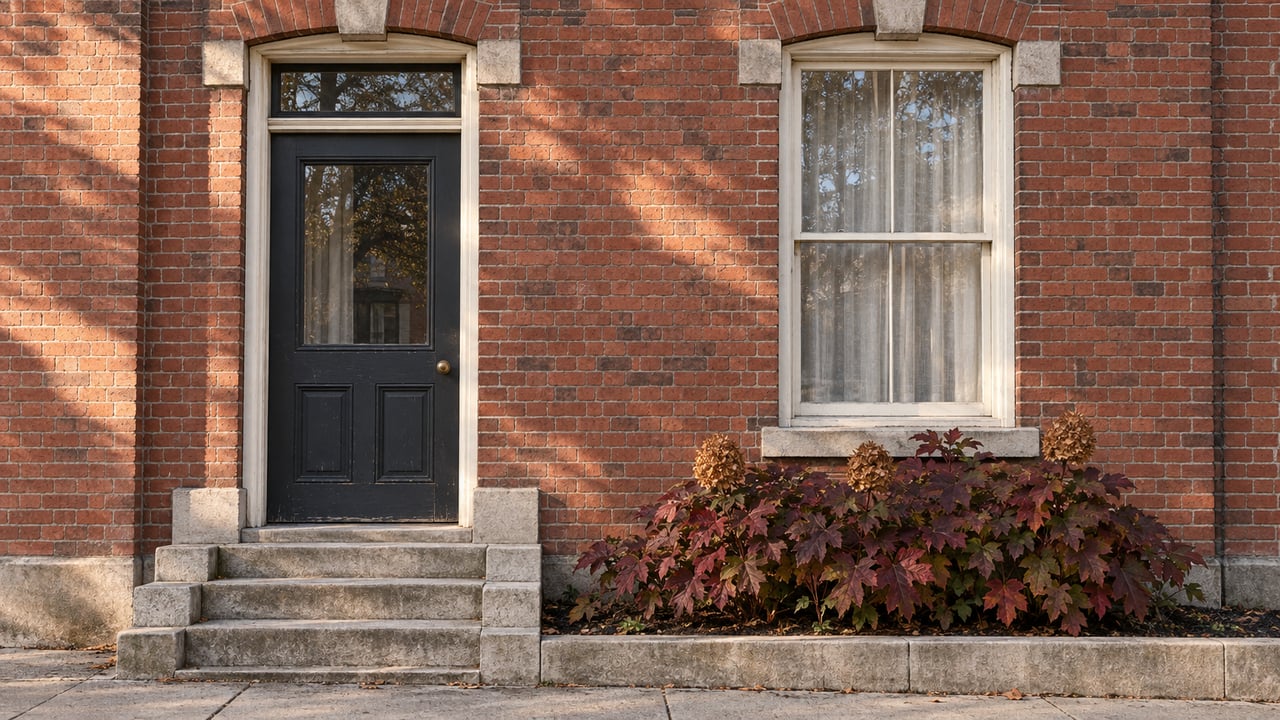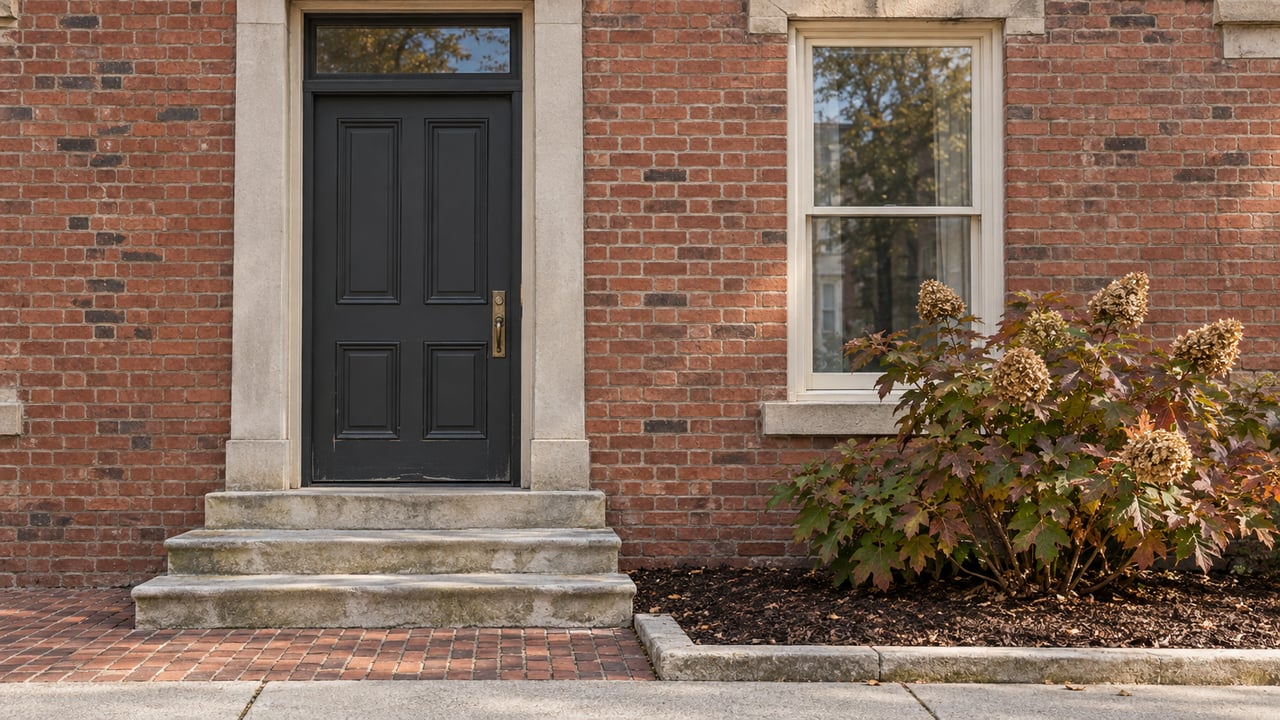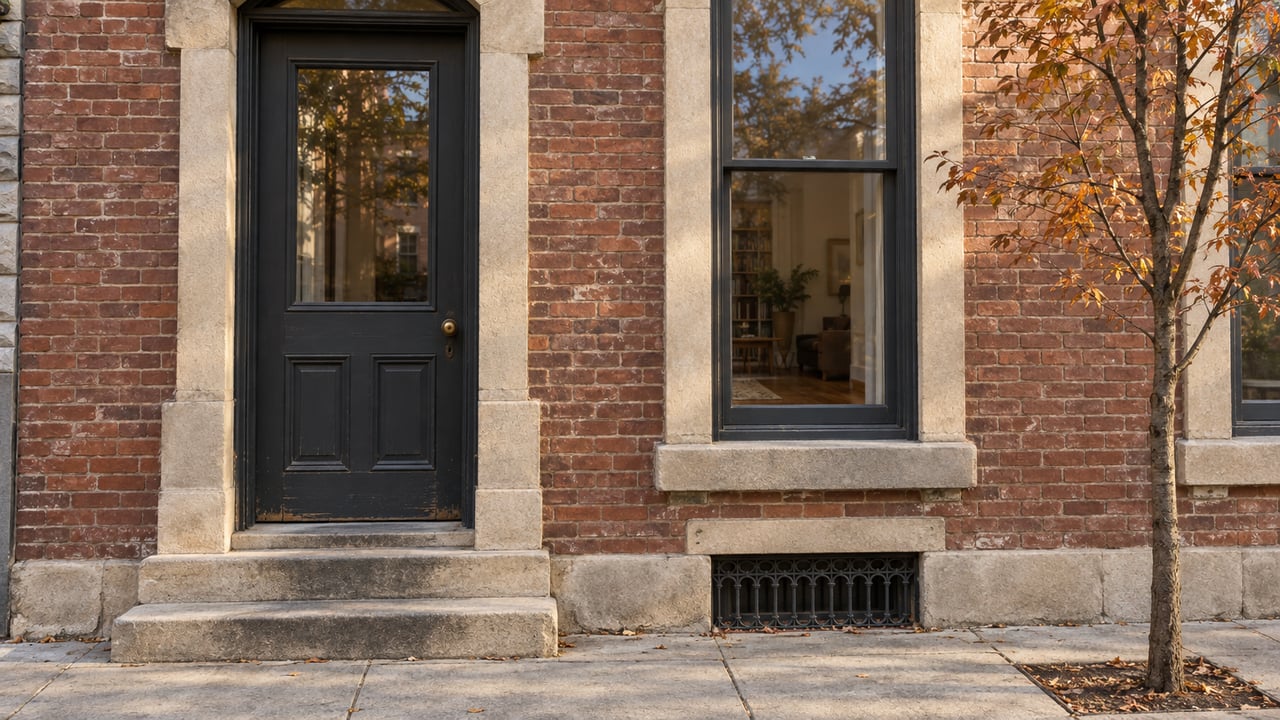
If you've shopped historic homes in Covington before looking at Fort Mitchell, you're carrying an assumption that doesn't hold. In Covington, a century-old house inside the local historic overlay means a Certificate of Appropriateness before you touch the exterior. In Fort Mitchell, three separate National Register historic districts cover roughly a quarter of the city, and none of them come with a design review board at all. The federal designation still matters for historic recognition and tax-credit eligibility. That single gap changes what you can do to a house here, and what your neighbor can do to theirs.
Historic Listings and Local Review
Kenton County has six cities with National Register historic districts: Covington, Erlanger, Fort Mitchell, Lakeside Park, Ludlow, and Park Hills. Only two of them, Covington and Ludlow, ever adopted a local Historic Preservation Overlay Zone, according to the Kenton County Planning Commission's own historic preservation report. That overlay is the thing that actually creates a review process. Without it, a National Register listing is an honor and a plaque, not a permit requirement.
Fort Mitchell is on that list of six. It never adopted the overlay.
That distinction matters more than most listing descriptions let on. A house tagged "in a historic district" in a Northern Kentucky MLS search can mean two entirely different regulatory realities depending on which city it sits in, and the sales copy rarely says which one you're getting.
Three Districts, One City, No Board
Fort Mitchell's historic ground breaks into three separate National Register districts: Old Fort Mitchell, Fort Mitchell Heights, and Beechwood. Together they hold 261 contributing and non-contributing resources across about a quarter of the city's land area, based on the federal multiple-properties nomination filed for the city's historic housing stock.
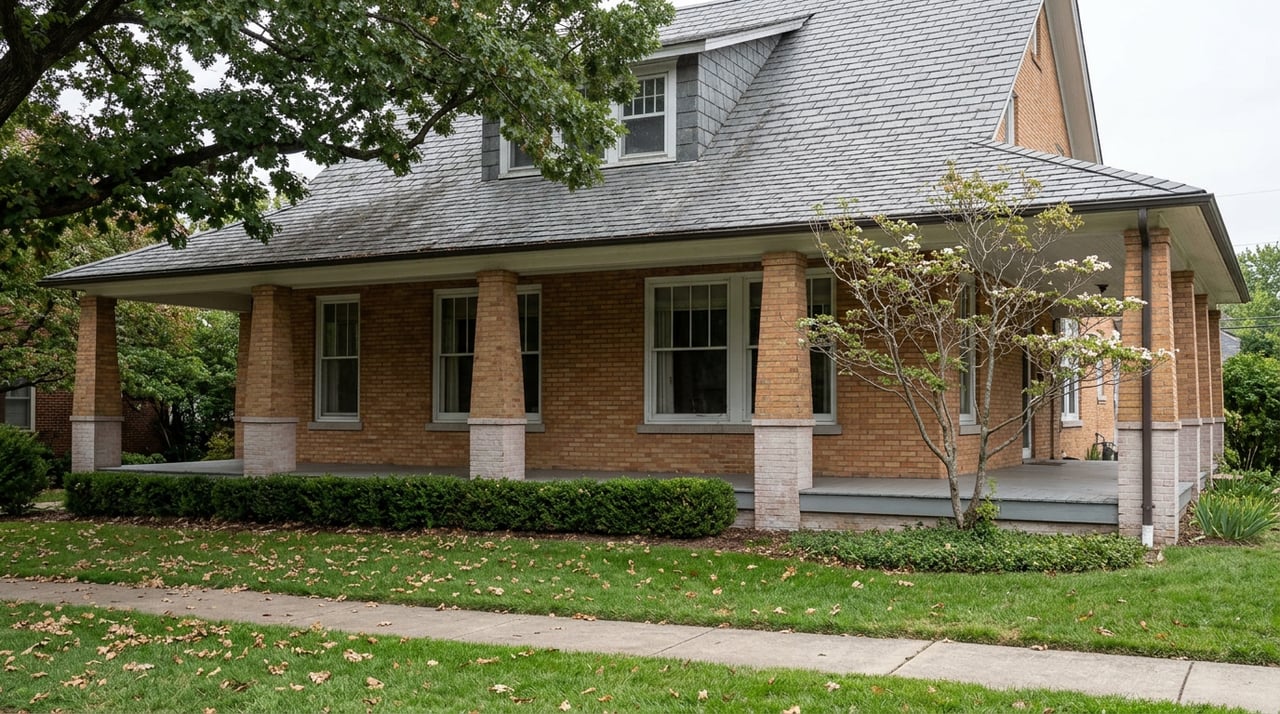
Old Fort Mitchell traces back to the original town plat of 1906, laid out by a streetcar development company as a commuter suburb of Cincinnati. Its own individual National Register registration form counts 94 primary buildings, 69 of them contributing to the district's historic character, plus dozens of contributing carriage houses and outbuildings. The architecture runs Colonial Revival, Tudor Revival, American Foursquare, and Craftsman bungalow, much of it dating from the early 1900s through the 1930s, with original brick porches, slate roofs, and even a few surviving c. 1906 stone gateposts still standing along Dixie Highway at Ridge and West Orchard.
Fort Mitchell Heights and Beechwood grew out of separate subdivisions nearby, each with its own architectural character, and each folded into the same federal nomination alongside Old Fort Mitchell.
What none of the three districts have is a local commission that reviews what happens to them next.
How Local Review Affects Renovations
If you buy inside one of these districts, you don't need a Certificate of Appropriateness to:
- Replace original windows with a different style or material
- Add a rear addition, dormer, or second story
- Change exterior siding, trim color, or roofing material
- Demolish a contributing structure outright
That last point is the one buyers most often get wrong. In a city with a Historic Preservation Overlay, demolition of a contributing structure typically triggers its own review. The National Register listing carries no local teeth to stop it.
For a buyer planning renovation work, that's genuine freedom. You can modernize a kitchen, reconfigure a floor plan, or add square footage to a 1920s Foursquare without waiting on a monthly board meeting or seeking approval for your window choice. If you've watched a renovation stall in a city with an active overlay, the appeal here is obvious.
What It Doesn't Buy You
The same freedom cuts the other direction. Nothing stops a neighboring contributing home from being torn down and replaced with something that doesn't match the block. Nothing requires new infill construction inside the district to reference the surrounding architecture. The character that drew you to Old Fort Mitchell or Fort Mitchell Heights in the first place has no local mechanism protecting it beyond the choices of individual owners.
The price reflects the house you're closing on; it does not guarantee what happens to the house two doors down.
Growth pressure in Fort Mitchell right now is concentrated outside the historic core rather than inside it, which is its own kind of evidence. The Pinnacle at Fort Mitchell, a Fischer Homes townhome community reached off Buttermilk Pike and Grandview Drive, sits adjacent to General Ormsby Mitchel Park and walking distance from Grandview Tavern. A few blocks over, on the site of the former Drawbridge Inn at 293 Buttermilk Pike, The Ormsby is a 203-unit senior living community built by St. Elizabeth Healthcare and Greenbrier Development, restricted to residents 62 and older, with a seven-story building holding one and two-bedroom units alongside a health center. The Ormsby was projected to welcome its first residents this year, while the Pinnacle has been building and selling homes steadily along the same corridor. Both sit on redevelopment parcels, not inside the historic districts.
The Tax Credit Wrinkle
Here's where the National Register listing still matters, even without local review authority. State and federal historic rehabilitation tax credits are tied to a property's National Register contributing status, not to local zoning. The Kentucky Heritage Council administers both the state historic preservation tax credit and, in partnership with the National Park Service, the federal rehabilitation credit.
For an investor eyeing an adaptive reuse project, a contributing structure in Old Fort Mitchell or Fort Mitchell Heights can still qualify for those credits if the rehabilitation work meets the Secretary of the Interior's standards, typically a more realistic path for income-producing property than for an owner-occupied single-family home. It's a detail worth raising early with a tax professional if a renovation budget depends on that credit showing up.
Comparing Fort Mitchell To Covington
If you're cross-shopping historic character between the two cities, the practical differences come down to this:
In Covington's local historic overlay, exterior changes go through a review process before you touch brick, windows, or siding, and demolition of a contributing structure faces its own scrutiny. In Fort Mitchell, none of that applies. You get faster timelines and fewer approvals standing between you and a finished renovation, and you take on the tradeoff that your block's character depends entirely on your neighbors' choices rather than on any local ordinance.
Neither approach is right or wrong. They serve different buyers. Someone who wants to move quickly on a renovation without local design review may find Fort Mitchell's setup appealing. Someone who wants ironclad protection against a teardown next door should understand that Fort Mitchell's National Register listing doesn't provide it.
Frequently Asked Questions
Is there a separate historic review board for demolition inside these districts? No. There is no separate historic review board weighing in on demolition inside these districts, unlike cities with an adopted Historic Preservation Overlay Zone.
Are Erlanger, Lakeside Park, and Park Hills in the same position? Yes. Along with Fort Mitchell, those cities have National Register historic districts without a local overlay zone, according to the Kenton County Planning Commission. Covington and Ludlow are the two Kenton County cities that adopted that additional layer of local review.
If I want to use historic tax credits, do I need to be inside the district boundary? You need the property to carry contributing status within the National Register district, which is a separate determination from local zoning. The Kentucky Heritage Council can confirm a specific property's status before you commit a renovation budget to the assumption.
If you're weighing a streetcar-era home in Fort Mitchell against a similar property in Covington or Bellevue, the regulatory picture is part of the real comparison, not a footnote to it. Rebecca Weber has spent years guiding buyers through exactly this kind of historic-home decision across Northern Kentucky, including serving on Covington's own architectural review leadership, and can walk you through what a specific address will and won't let you do before you write an offer. Let's Connect.
This article is general information, not legal, tax or financial advice. Consult a qualified professional about your situation.