If you have looked at homes in Newport lately, you have probably noticed one thing fast: where you buy matters almost as much as what you buy. A condo near the riverfront, a restored house in East Row, and a home a little farther from the entertainment core can offer very different day-to-day experiences. Understanding those differences can help you choose a home that fits your budget, lifestyle, and comfort with maintenance. Let’s dive in.
Riverfront growth changed the map
Newport’s riverfront has become the city’s main amenity corridor. The city highlights destinations like the Aquarium, Newport on the Levee, BB Riverboats, Hofbrauhaus, and the World Peace Bell, and it says Newport on the Levee draws about four million visitors a year. On top of that, Ovation is adding a 25-acre mixed-use waterfront district with residential, retail, office, hotel, boardwalk, and dining and entertainment uses.
That kind of growth does more than add things to do. It creates a more layered housing market, where one part of Newport feels very different from another. In a compact area, you can move from a luxury waterfront setting to a historic residential block in just a few minutes.
Why home choices vary by block
Newport’s 2020 comprehensive plan points toward high-density riverfront development with pedestrian-oriented ground floors and a step-down in density toward Monmouth and York. The plan also calls for preserving river views and protecting neighborhood edges. In practical terms, that means the city is encouraging an active, walkable waterfront while still recognizing the character of nearby residential areas.
Recent projects reinforce that direction. The city notes redevelopment at James Taylor Park and Festival Park, the opening of the City Center Garage with 410 parking spaces, and ongoing investment in areas like the World Peace Bell district, Ovation, downtown expansion, and Monmouth Street revitalization. For buyers, this means Newport is not growing in just one way. It is growing in several ways at once.
Newport prices depend on micro-location
Citywide benchmarks still sit around the mid-$200,000s, but that number only tells part of the story. Redfin reports a median Newport sale price of $257,367 over the last three months, while Zillow lists an average home value of $248,597 as of April 30, 2026, with homes going pending in about 51 days. Those figures give you a baseline, but they do not capture the spread between neighborhoods and property types.
Some areas rise far above that baseline. Mansion Hill posted a median sale price in the roughly $664,753 to $673,500 range in spring 2026, with homes selling in about 17 days on average. That suggests premium historic inventory can command a much higher price and still move quickly.
The upper end climbs further along the waterfront and in newer luxury product. Zillow’s Newport waterfront search showed a Riverboat Row condo listed at $1.95 million, and Boardwalk Residences at Ovation has seen strong demand, with more than 70% of homes in the first two buildings sold by the time sales opened in the third building. In other words, Newport is no longer a market where one average number tells the whole story.
Riverfront living means convenience first
What buyers often get near the water
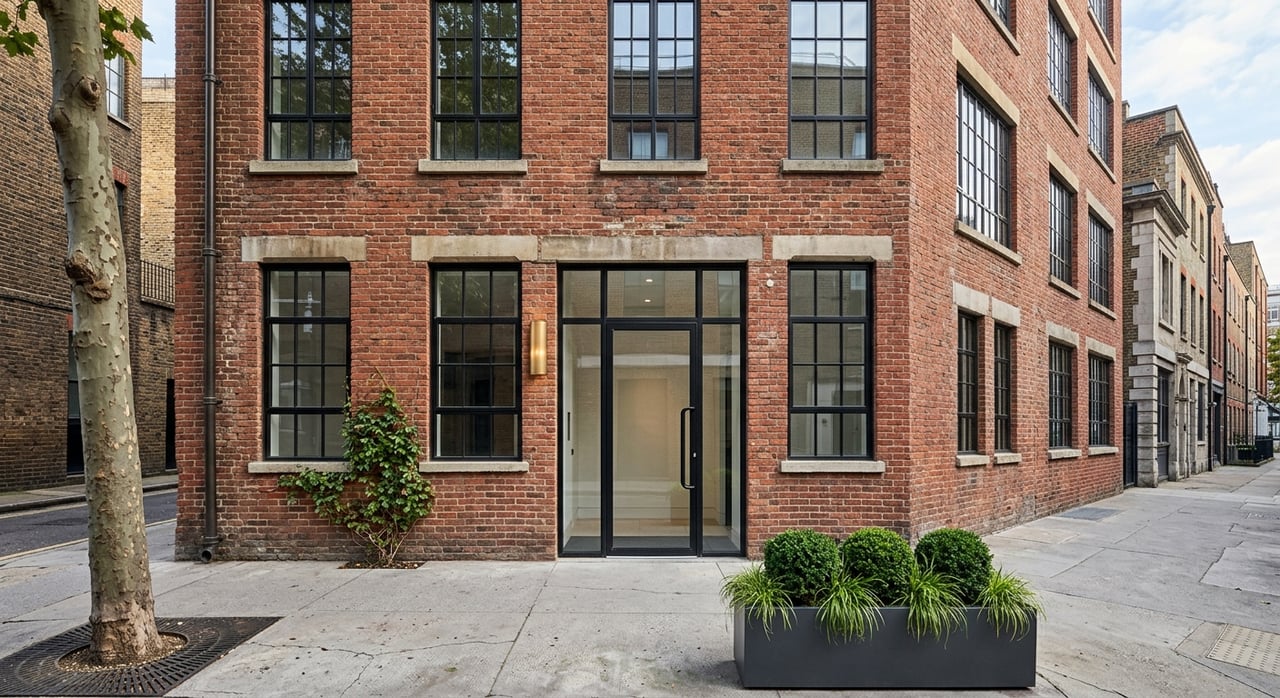
In the riverfront core, buyers are usually choosing condos or mixed-use residences rather than traditional detached homes. Ovation’s materials describe a connected district with office, residential, retail, hotel, and land uses, tied together by a pedestrian bridge. In 2025, the development also added Market Bar and an Entertainment Destination Center designation.
For you, that can translate into an amenity-first lifestyle. You may get newer construction, skyline or river views, and quick access to dining and entertainment. If your priority is being close to activity and enjoying a more lock-and-leave style of living, the riverfront may check a lot of boxes.
The tradeoff to think through
Walkability is one of the biggest advantages near the riverfront. Newport’s plan says the area’s connectivity can reduce the need to own cars, which is a meaningful quality-of-life benefit for some buyers. If you want to get around on foot more often, this location stands out.
The flip side is parking and activity levels. Even with the City Center Garage adding 410 spaces to the business district, homes closest to Newport on the Levee, Riverboat Row, and Ovation are tied to a busy destination area. If you love energy and convenience, that may feel like a plus. If you want a quieter setting, it is worth weighing carefully.
Historic neighborhoods offer a different appeal
East Row and nearby districts
A few blocks inland, Newport shifts into a more historic and residential feel. The city identifies neighborhood groups including East Row, Gateway, Mansion Hill, Cote Brilliante, Buena Vista, and the West Side Coalition. The city’s history materials say the East Row local historic district includes portions of Mansion Hill and East Newport and contains roughly 1,000 properties, and Newport is home to Kentucky’s second largest local historic district.
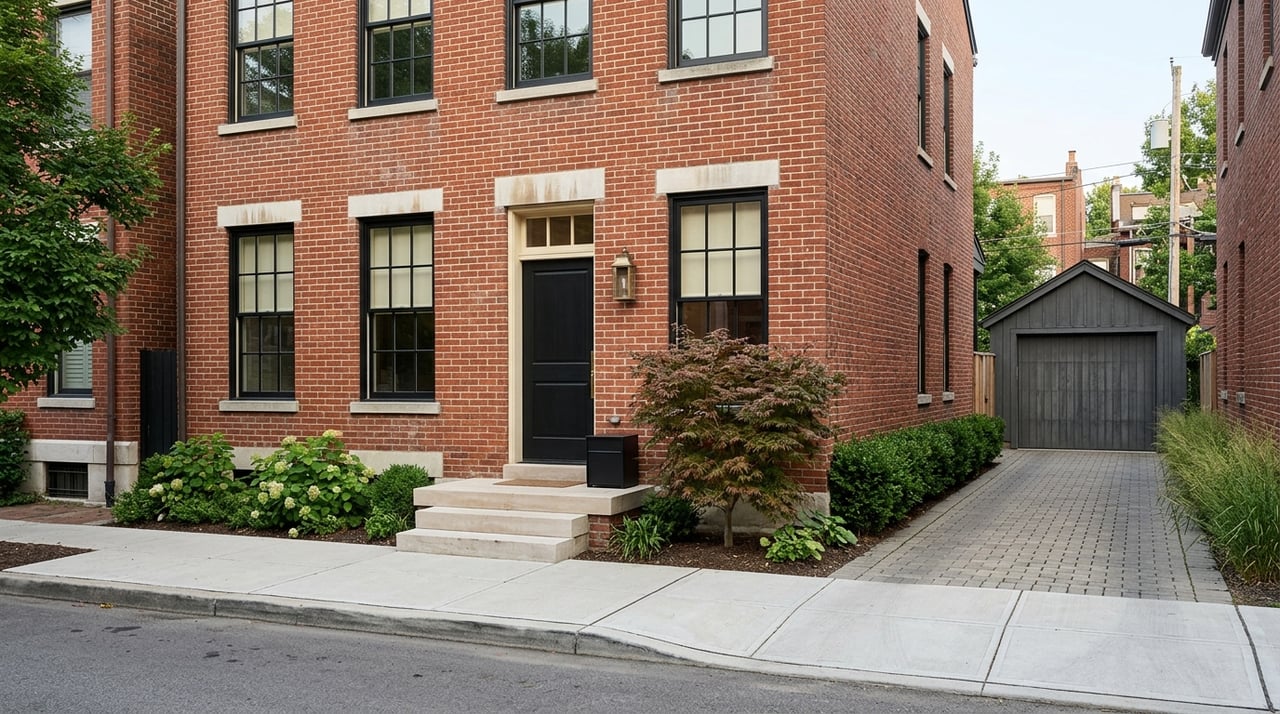
That matters because your home search can quickly move from polished new construction to late-19th- and early-20th-century architecture. The East Row design review guidelines describe Italianate, Queen Anne, Colonial Revival, Bungalow, and Craftsman influences across different blocks. If you are drawn to original details, urban streetscapes, and houses with individual character, these neighborhoods may feel especially compelling.
Why historic homes need a closer look
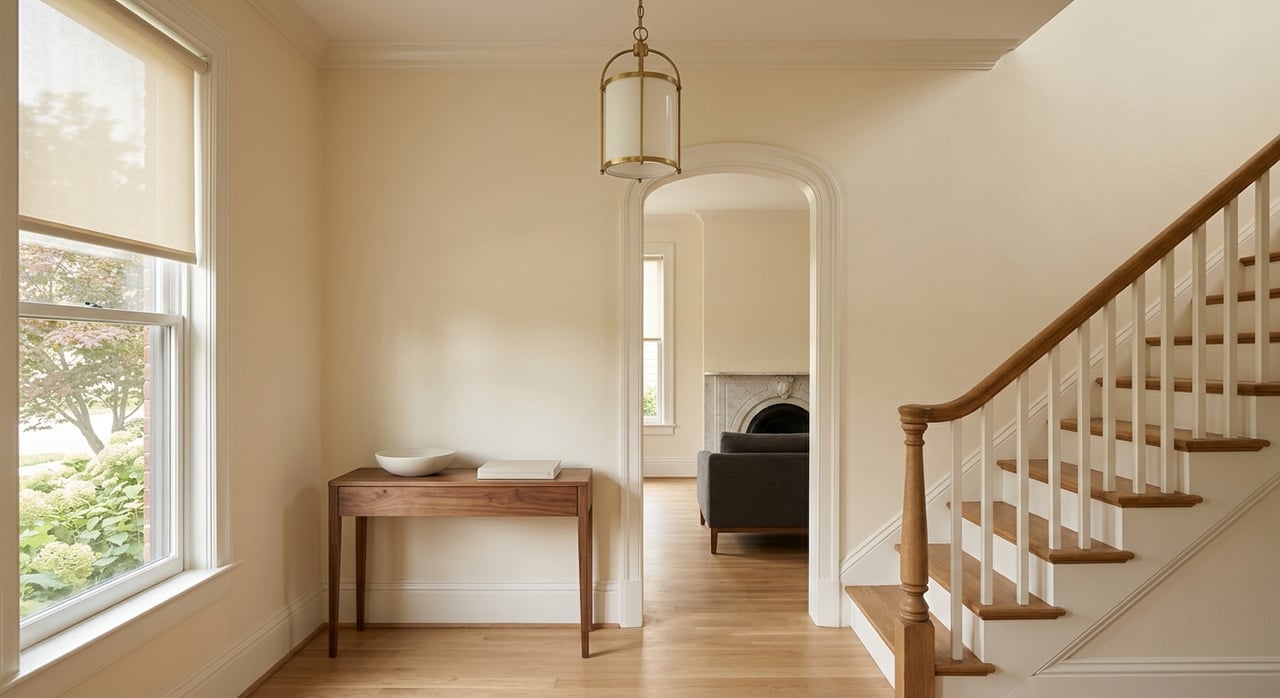
Many homes in these areas have changed over time. The design guidelines note that a number of properties were converted from single-family to multi-family use, and that many buyers have renovated historic homes over the years. That means two homes on the same street can differ quite a bit in layout, systems, updates, and maintenance needs.
This is where good local guidance matters. A historic home can offer charm and long-term appeal, but it also calls for careful evaluation of condition, renovation scope, and resale positioning. In Newport, that is not a side issue. It is part of the buying decision.
Preservation rules can shape your plans
If you are considering a home in a local historic district, exterior changes may not be as simple as choosing new materials and starting work. Newport’s preservation office requires Certificates of Appropriateness for many exterior changes in local historic districts. The East Row guidelines specifically note that many exterior changes in East Row, York Street, Monmouth Street, and Buena Vista require that approval.
For buyers, this is not necessarily a negative. Preservation standards can help maintain neighborhood character and architectural consistency. But they do mean you should understand the review process early, especially if you are thinking about windows, porches, facades, roofing, or other visible exterior work.
There may also be financial considerations. Kentucky heritage agencies say historic rehab tax credits can apply to qualifying properties. Credit eligibility depends on the property and use, so it is smart to confirm what may apply before you count on incentives as part of your budget.
The real decision is lifestyle premium
Newport’s riverfront growth has not created one single market trend. It has created several home choices inside a small geography. That is why many buyers are not really deciding between Newport and somewhere else. They are deciding which Newport lifestyle they want to pay for.
Here is a simple way to think about it:
- Riverfront core: higher premium for walkability, views, newer product, and immediate access to amenities
- Historic districts: higher premium for architecture, character, and renovation potential
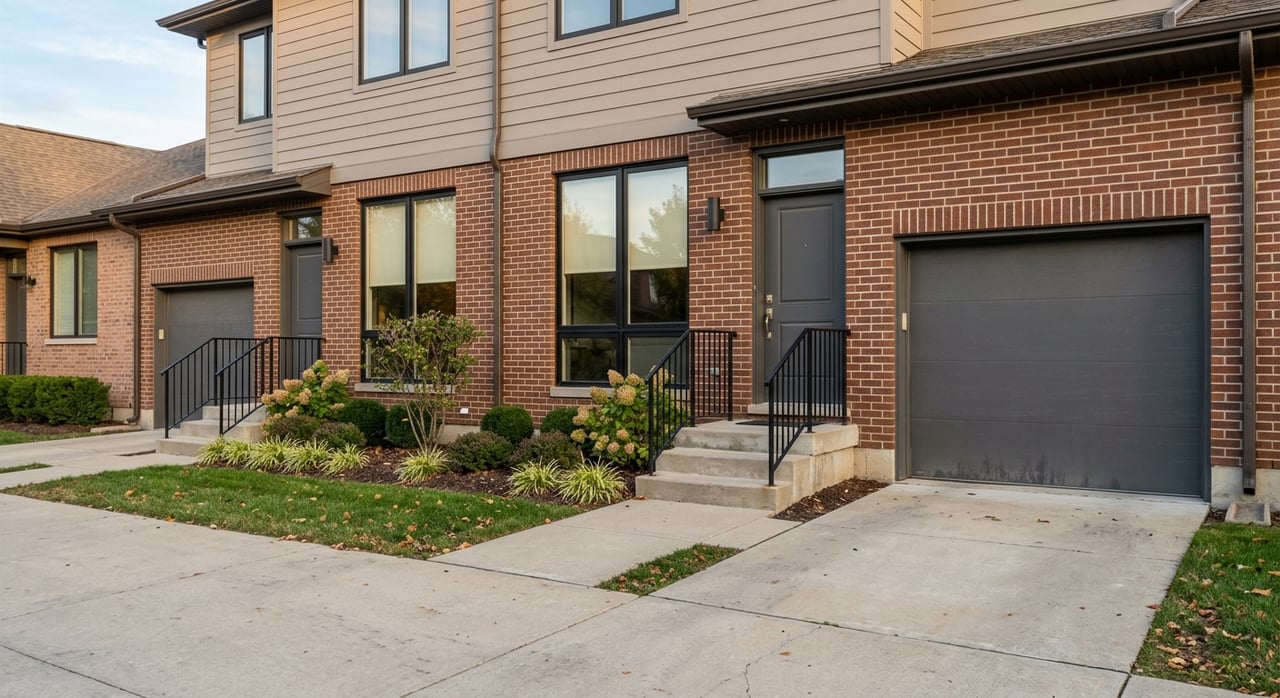
- Residential edges: more distance from the entertainment spine and often a different day-to-day pace
None of those choices is automatically better. The right fit depends on how you want to live, how much maintenance you want to take on, and whether convenience, character, or breathing room matters most to you.
Questions to ask before you buy in Newport
Before you choose a home, it helps to narrow your priorities clearly. That can save you time and prevent you from stretching for features that do not actually match your lifestyle.
Ask yourself:
- Do you want to walk to dining, entertainment, and the waterfront regularly?
- How important is easier parking or a quieter block?
- Are you open to renovation, or do you want a more turnkey property?
- If a home is in a historic district, are you comfortable working within preservation guidelines?
- Are you shopping based on citywide averages, or on the specific micro-location you want most?
These questions can quickly reveal whether you should focus on riverfront condos, historic housing stock, or more residential pockets farther from the busiest areas.
Why local context matters in Newport
In a place like Newport, square footage and finishes are only part of the story. The block, the building type, the district rules, and the daily rhythm of the area all matter. A buyer who understands that early can make a more confident and informed decision.
That is especially true if you are comparing very different property types, like new construction near the river, a restored historic house, or a renovation-ready home with long-term upside. Each path can be a smart one, but each comes with a different set of expectations.
If you are trying to sort through Newport’s choices, a local advisor who understands both historic housing and newer urban development can help you see the tradeoffs more clearly. If you want practical guidance on buying in Newport, historic homes, or evaluating the right fit block by block, connect with Rebecca Weber.
FAQs
How has riverfront growth changed home choices in Newport?
- Riverfront growth has created a more segmented market, with luxury condos and mixed-use residences near the water, historic homes a few blocks inland, and more residential options farther from the entertainment core.
What is the typical home price in Newport, Kentucky?
- Recent citywide benchmarks are in the mid-$200,000s, with Redfin reporting a median sale price of $257,367 and Zillow reporting an average home value of $248,597 as of April 30, 2026.
Are waterfront homes in Newport more expensive?
- Yes. Waterfront and river-view properties can price far above the city average, including luxury condo offerings like Riverboat Row and Boardwalk Residences at Ovation.
What should buyers know about Newport historic districts?
- Buyers should know that historic districts like East Row and Mansion Hill can offer strong architectural character, but many exterior changes may require approval through Newport’s preservation process.
Is walkability in Newport worth the tradeoff?
- That depends on your lifestyle. Homes closest to the riverfront can offer strong walkability and easy access to amenities, but buyers should also think about parking, activity levels, and whether they want a busier setting.
Can buyers renovate historic homes in Newport?
- Yes, but renovation plans should be reviewed early because many exterior changes in local historic districts require a Certificate of Appropriateness, and potential tax credit eligibility should be confirmed case by case.