Choosing a home in Bellevue is not just about finding the right price. It is also about finding the right fit for how you want to live, maintain, and improve a property over time. In a small city with a compact housing market, historic districts, attached housing, and real block-by-block variety, your best choice depends on your priorities as much as your budget. This guide will help you compare Bellevue home styles, understand the tradeoffs, and narrow in on what feels right for you. Let’s dive in.
Why Bellevue Home Choice Feels Different
Bellevue is a small river city in Campbell County with about 5,738 residents and just 0.91 square miles of land, according to the U.S. Census Bureau. That small footprint can make a big difference when you shop, because style, condition, and pricing can shift quickly from one block to the next.
Recent market snapshots show a tight but active market. Redfin reported a March 2026 median sale price of $228,000 and 33 days on market, while Realtor.com reported an April 2026 median sold price of $220,000, a median listing price of $329,500, 34 homes for sale, and 46 days on market. In a market this compact, knowing which home style suits your lifestyle can save you time and help you make a more confident decision.
Bellevue Home Styles You May See
Bellevue’s historic core includes a wide mix of architectural styles. The National Register nomination for Bellevue identifies Italianate, Victorian Vernacular L-Plan or T-Plan, Queen Anne, Foursquare, and Bungalow as common forms, with smaller numbers of Stick/Eastlake, Colonial Revival, and Homestead properties.
That variety matters because ownership can feel very different from one house to the next. Some homes may have more segmented historic room layouts, while others may feel more compact and boxy, especially in Foursquare and Bungalow forms. Since Bellevue developed gradually over time, many streets include homes of different sizes, ages, additions, and lot patterns on the same block.
Historic Homes for Character Lovers
If you love original detail, older facades, and a strong sense of place, a historic Bellevue home may be the right match. Bellevue has both National and Local Historic Districts, including Fairfield Avenue and Taylor’s Daughters as local historic districts under the city’s preservation ordinance.
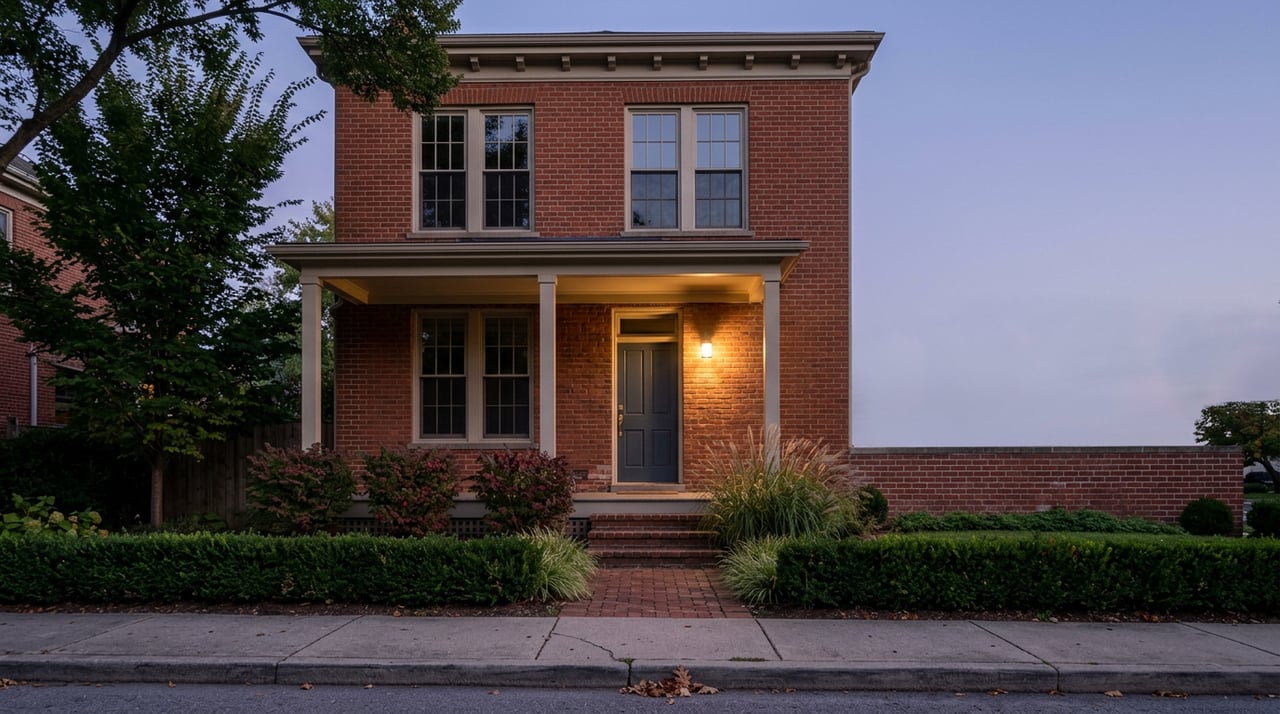
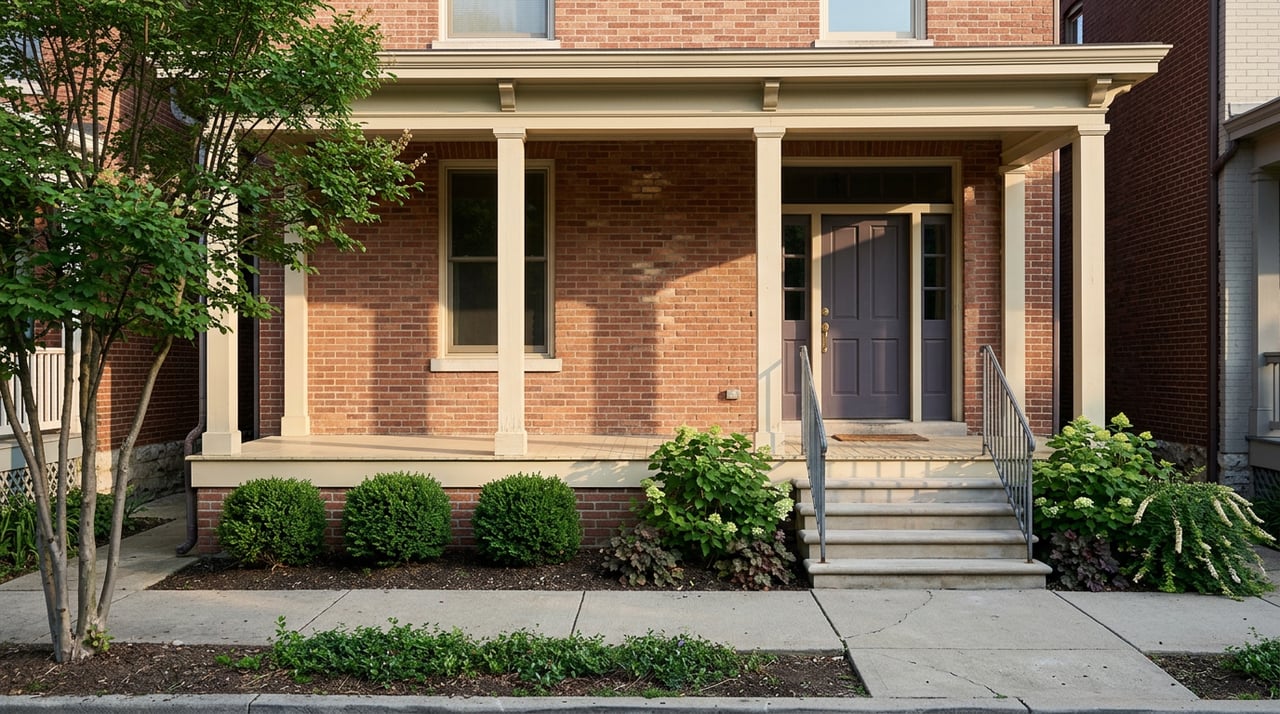
Historic homes often offer the most architectural character. You may find details tied to Italianate, Queen Anne, or Victorian-era design, along with the kind of street presence that attracts buyers who value character-rich homes and long-term neighborhood identity.
What Historic Ownership Really Means
Owning in a local historic district does come with more rules for exterior work. Bellevue’s preservation materials state that exterior changes such as roofs, gutters, siding, windows, doors, foundations, walls, fences, additions, outbuildings, and demolition may require review through a Certificate of Appropriateness process.
That does not mean you cannot update the home for modern living. The city is clear that local historic districts are intended to guide compatible exterior changes, not block them entirely. Still, if you want maximum freedom to redesign the outside of a home without review, this may not be your best fit.
Who This Style Fits Best
A historic single-family home may be right for you if you:
- Value architectural character over perfect uniformity
- Are comfortable with older-home quirks
- Want to preserve or thoughtfully improve original features
- Can plan ahead for exterior approvals and documentation
- Prefer charm and individuality over a simpler maintenance profile
Renovated Homes for a Middle Ground
If you want character without taking on every project yourself, a renovated home may offer the best balance. In Bellevue, this can mean getting the appeal of an older property with fewer immediate repairs or updates on your list.
This option often works well if you appreciate historic style but want more move-in-ready systems, finishes, or improvements. It can also reduce the stress of tackling major work right after closing, especially if you are balancing a move, work, or family schedules.
Why Renovated Homes Appeal to Many Buyers
A renovated Bellevue home can give you a practical middle ground between full restoration and low-maintenance attached living. You still get the character that draws many buyers to Bellevue, but you may avoid some of the earliest and most expensive stages of a rehab.
That said, renovated does not always mean simple. If the home is in a local historic district, future exterior work may still require review. It is smart to ask for records of prior permits, prior Certificates of Appropriateness, and renovation documentation before you buy.
Fixer-Uppers for Customization
Some buyers want the chance to shape a home around their own vision. In Bellevue, a fixer-upper can be an exciting choice if you care more about long-term potential than immediate polish.
This path may make sense if you are comfortable budgeting for repairs, hiring the right professionals, and taking a longer view of the project. It can also be appealing if you want to restore original details or make thoughtful updates that reflect the home’s architecture.
Budgeting for Bellevue Renovation Work
For renovation-minded buyers, Kentucky’s historic rehabilitation incentives may affect the budget. The Kentucky Heritage Council says the Rehabilitation Tax Credit is a dollar-for-dollar income tax credit based on qualifying rehabilitation expenses, with state credits of 20% or 30% depending on the program, and a federal credit of 20% depending on eligibility.
The same guidance notes that Parts 1 and 2 are typically submitted before work begins, and Part 3 after the work is completed. If you are considering a larger project, timing and documentation matter just as much as design ideas.
Questions to Ask Before You Buy a Fixer
Before you commit to an older Bellevue home that needs work, ask:
- Is the property inside a local historic district?
- What exterior work may require a Certificate of Appropriateness?
- Are prior permits, approvals, and contractor records available?
- What repairs are cosmetic, and what repairs affect structure or systems?
- Will you need specialist input before closing?
Condos and Townhomes for Lower Upkeep
Bellevue buyers are not limited to detached historic homes. Realtor.com category searches recently showed 3 condo homes and 4 townhomes for sale in Bellevue, which points to at least some low-maintenance options in the market.
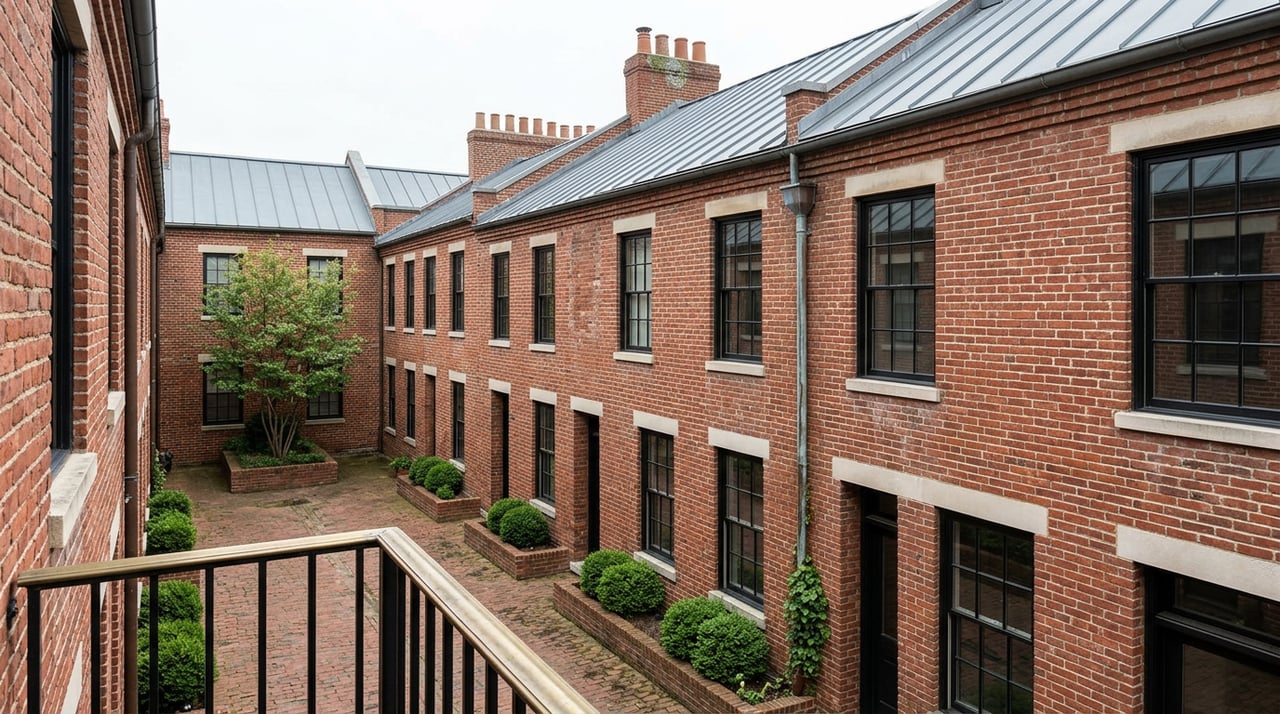
For many buyers, condos and townhomes support a simpler lifestyle. They often appeal if you want less exterior upkeep, less yard work, a smaller footprint, or a downsizing-friendly layout.
Tradeoffs to Consider
Lower maintenance usually comes with a tradeoff. With attached housing, you often have less control over exterior changes, and you may need to account for HOA rules and fees as part of your monthly housing cost.
That does not make these properties less attractive. It simply means the right fit depends on what matters most to you. If your goal is easier day-to-day living, attached housing may be worth a close look.
How Location Within Bellevue Matters
In Bellevue, style is only part of the decision. Site conditions can also shape your ownership experience.
The National Register nomination notes that the riverfront area was flood-prone, while upper blocks were documented separately as the Hillside Neighborhood. That is a good reminder that terrain, condition, and lot setting can vary significantly within the city, even among homes with similar age or style.
Check Flood Risk Early
Because Bellevue sits on the Ohio River, flood risk is worth checking early, especially for properties near the river. The city’s flood ordinance references the Campbell County Flood Insurance Rate Map effective August 10, 2021, and FEMA identifies its Flood Map Service Center as the official source for flood hazard information.
Flood risk can change over time, so this should be part of your early due diligence, not an afterthought after you fall in love with a house.
How to Evaluate an Older Bellevue Home
If you are shopping for an older property, due diligence is where smart decisions happen. Bellevue has real variety in age, style, updates, and lot conditions, so the details matter.
A strong evaluation process can help you understand whether a home is a good fit for your timeline, your budget, and your comfort level with maintenance or renovation.
Key Due Diligence Steps
When evaluating an older Bellevue home, consider these steps:
- Confirm whether the property is in a local historic district
- Ask for prior permits, COAs, and renovation records
- Review any known exterior changes and whether approvals were obtained
- Check flood-zone information early in the process
- Have a qualified home inspector assess the property’s overall condition
When to Bring in Specialists
Some older homes need more than a general inspection. Depending on what the inspection shows, you may also want input from a structural engineer, roofer, electrician, plumber, preservation consultant, or a lead-safe-certified renovator.
Lead paint is another important issue in older housing. CDC says homes built before 1978 are likely to have lead-based paint, and EPA says renovation, repair, and painting work can create lead dust in pre-1978 homes. If an older Bellevue property needs work, lead-safe practices and testing should be part of the conversation.
Which Bellevue Home Style Fits You Best?
If you are trying to narrow your search, start with your lifestyle rather than the exterior look alone. The right home style is usually the one that matches your comfort level with maintenance, improvement projects, and exterior control.
Here is a simple way to think about it:
- Historic single-family home: Best if you want character and can handle more rules, maintenance, and planning
- Renovated older home: Best if you want charm with fewer immediate projects
- Fixer-upper: Best if you want customization and are ready for a longer, more hands-on process
- Condo or townhome: Best if you want lower exterior maintenance and a simpler day-to-day routine
Bellevue offers all of these paths in a very small geographic area. That is part of what makes the city so interesting and why it helps to work with someone who understands both the market and the details behind older housing.
If you want help sorting through Bellevue’s historic homes, renovated properties, condos, or renovation-ready opportunities, Rebecca Weber can help you compare the options and find the right fit for how you want to live.
FAQs
What home styles are common in Bellevue, Kentucky?
- Bellevue’s historic housing stock includes Italianate, Victorian Vernacular, Queen Anne, Foursquare, and Bungalow homes, with smaller numbers of Stick/Eastlake, Colonial Revival, and Homestead properties.
What should you know before buying a historic home in Bellevue?
- You should confirm whether the home is in a local historic district, because exterior changes such as windows, roofs, doors, siding, additions, and demolition may require Certificate of Appropriateness review.
Are condos and townhomes available in Bellevue, Kentucky?
- Yes. Recent Realtor.com category searches showed condo and townhome inventory in Bellevue, giving buyers an option for lower-maintenance living.
How do you evaluate an older Bellevue property before buying?
- Start by checking historic district status, permits, COAs, renovation records, flood risk, and a full home inspection, then bring in specialists if the property condition calls for it.
Why does flood risk matter for Bellevue homebuyers?
- Bellevue sits on the Ohio River, and the city’s historic documentation notes a flood-prone riverfront area, so flood-map review should be part of early due diligence for some properties.