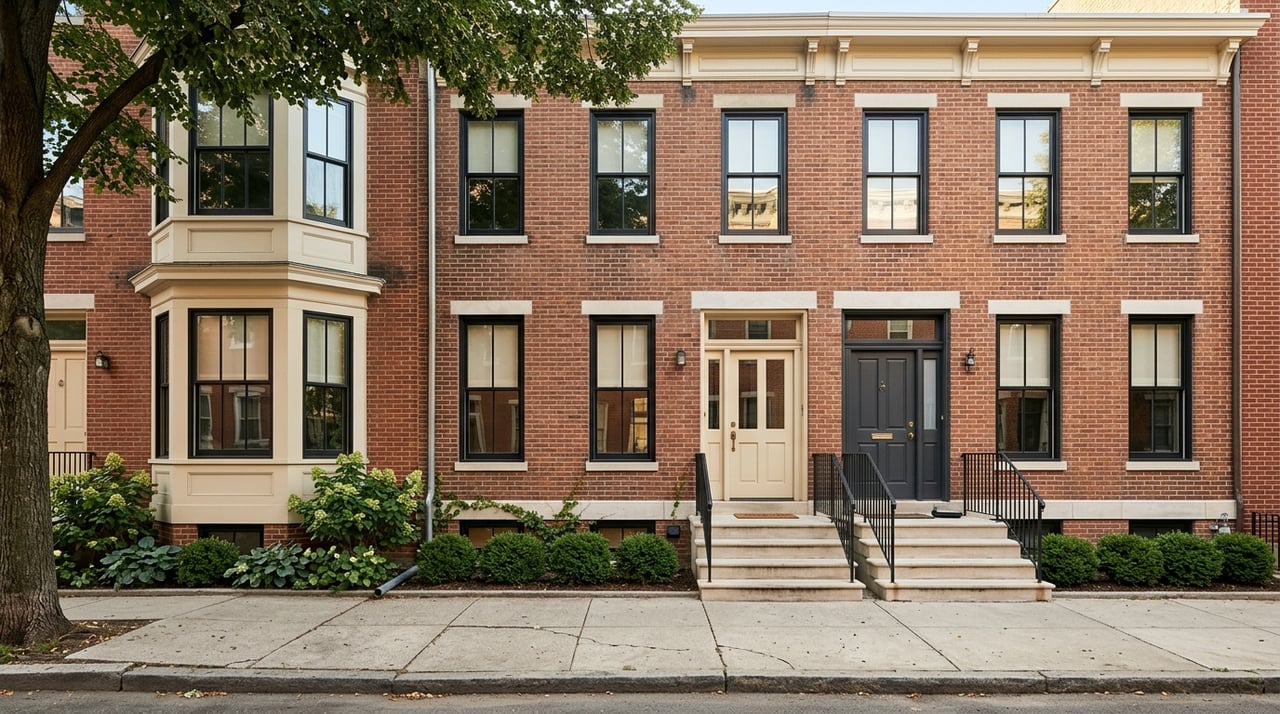
Are you looking for a neighborhood with more than just a house number? In Covington, many buyers are drawn to historic neighborhoods because they offer character, walkability, and a strong sense of place that can feel hard to find in newer areas. If you are wondering what makes these pockets so appealing, this guide breaks down the features, lifestyle, and practical considerations that often shape the decision. Let’s dive in.
Why Covington Stands Out
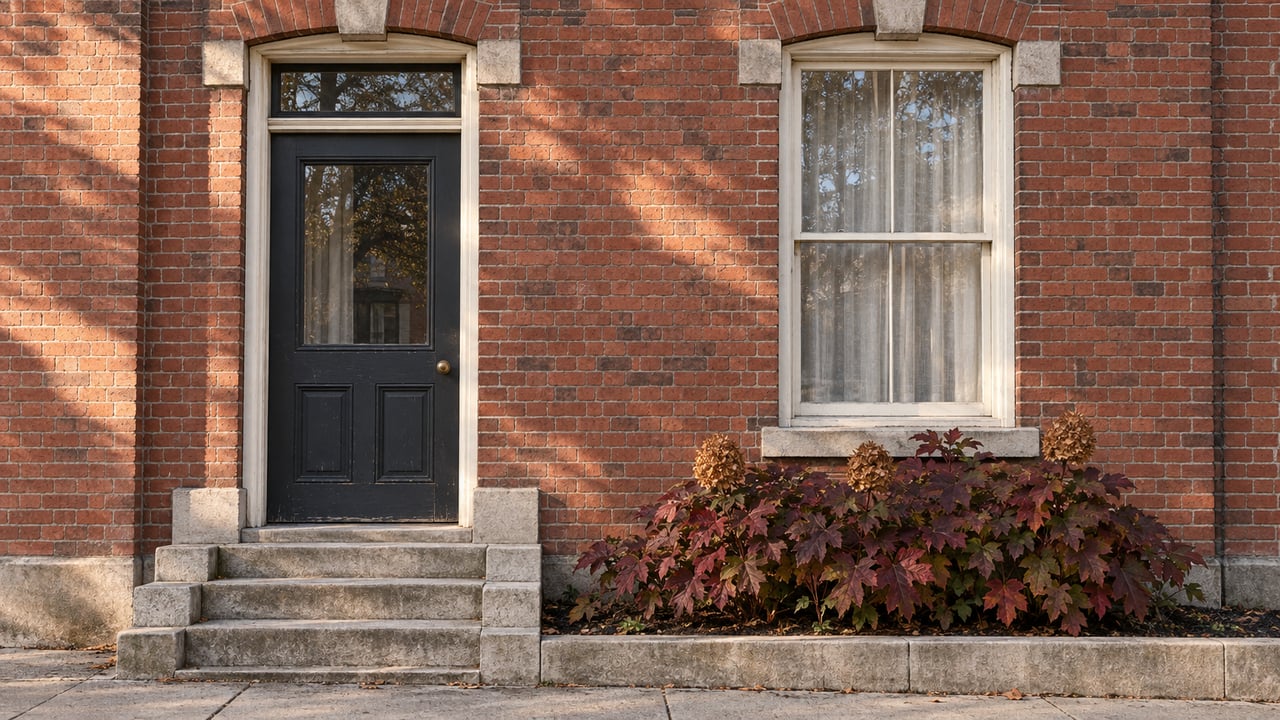
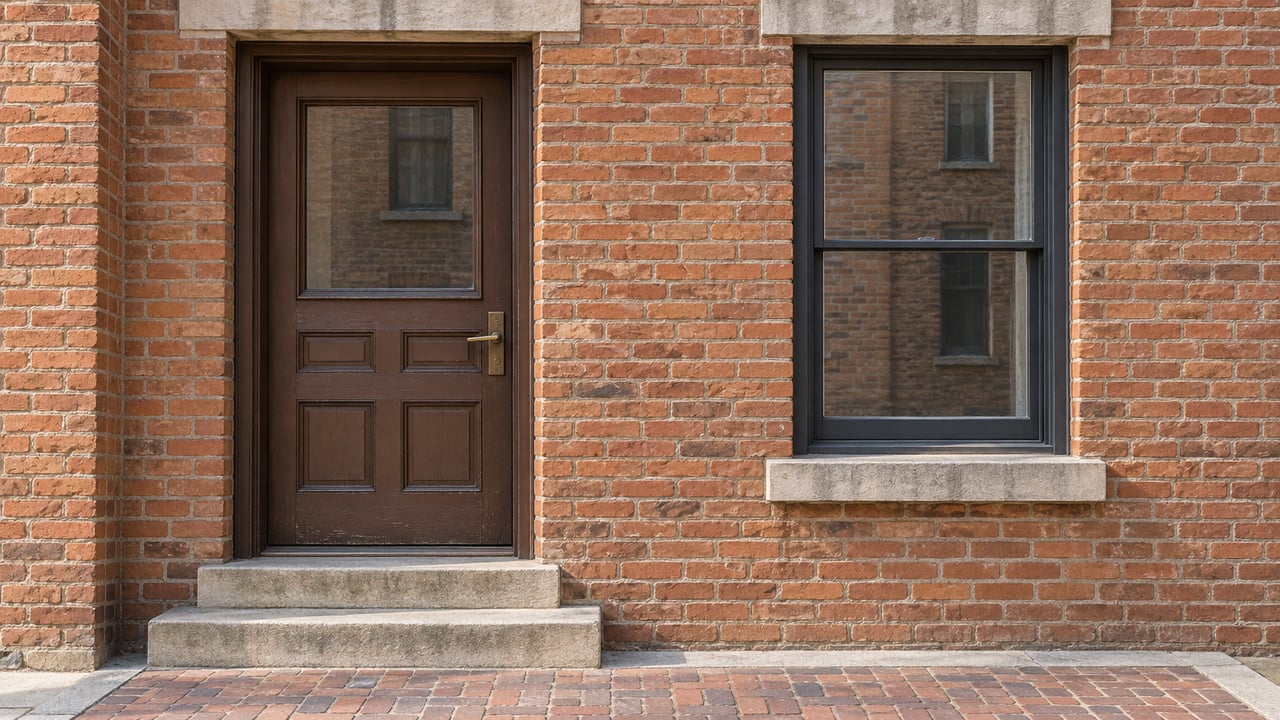
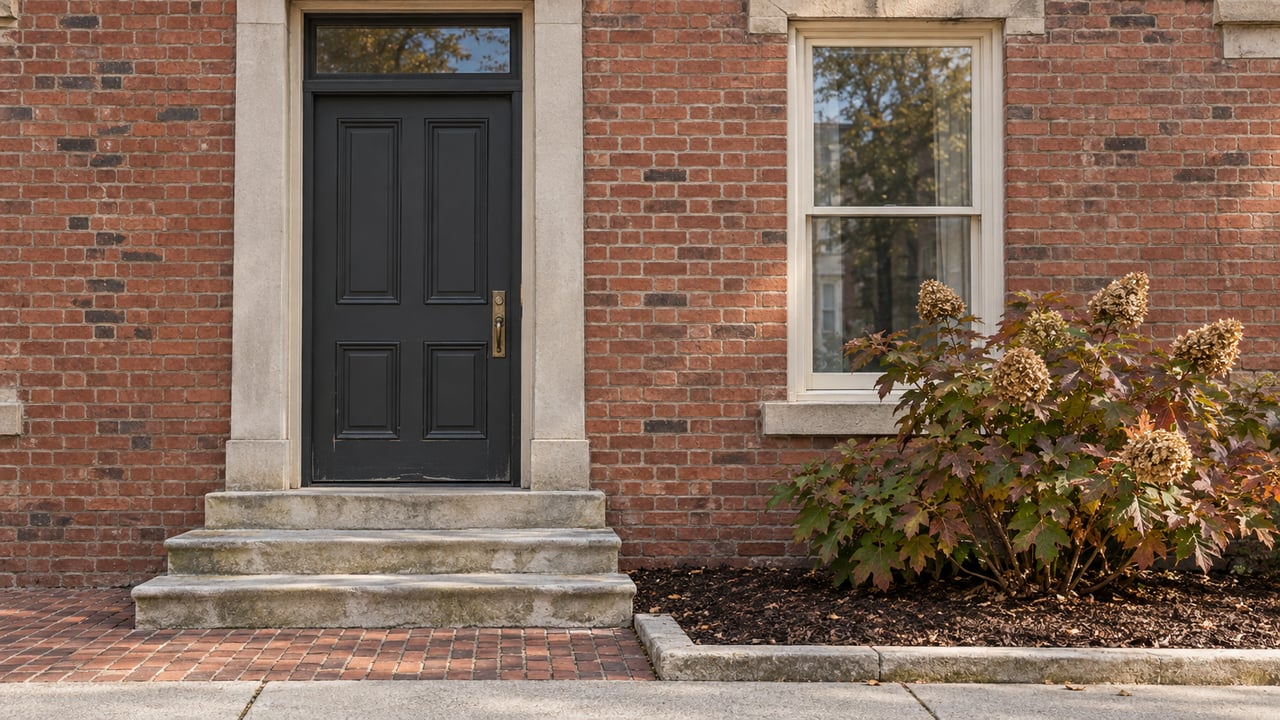
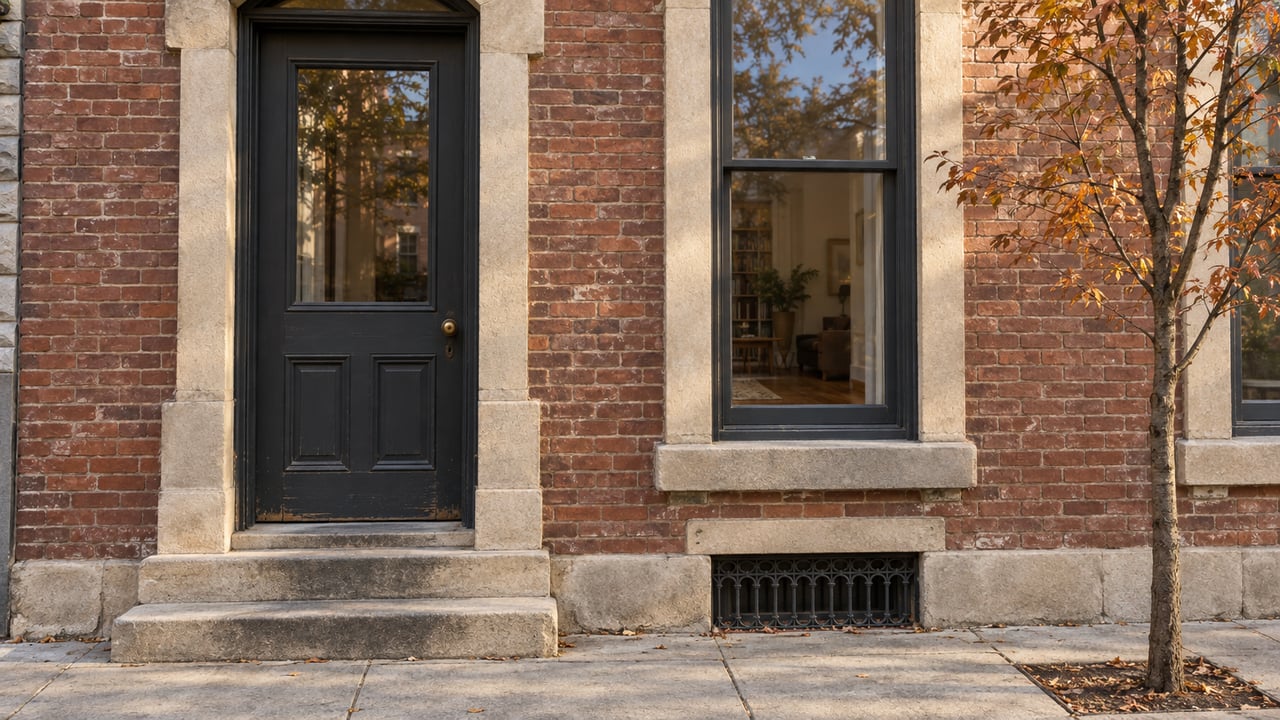
Covington offers something rare for a city of its size. According to Kentucky Tourism, it has 16 National Register historic districts, and the city notes that Covington and the surrounding region are known for one of the largest collections of intact brick Italianate houses in the country.
That architectural depth matters to buyers who want a home with visual interest and real neighborhood texture. It also helps that Covington sits directly across the Ohio River from downtown Cincinnati, giving many of its historic blocks a close-in urban feel instead of a more removed suburban one.
What Buyers Often Want Here
When buyers focus on Covington’s historic neighborhoods, they are often shopping for a lifestyle as much as a floor plan. The draw is not always maximum square footage. It is often the ability to live near restaurants, coffee shops, parks, galleries, events, riverfront spaces, and downtown Cincinnati.
Covington’s own streetscape plans highlight MainStrasse, Roebling Point, and Duveneck Square as major activity nodes built around public gathering spaces. Those same plans emphasize pedestrian and bicycle connections, outdoor dining, improved sidewalks, and wayfinding, which helps explain why buyers who value street life often narrow their search to these areas.
MainStrasse, Roebling Point, and Duveneck Square
These three areas come up often because each offers a slightly different version of an urban historic lifestyle. They share walkability and activity, but each has its own rhythm and setting.
MainStrasse Village Appeal
City streetscape guidelines describe MainStrasse as one of Covington’s most established districts and a destination for dining, nightlife, festivals, and public gatherings. Historic architecture, park space, and mixed-use development all contribute to the everyday feel of the area.
For buyers, that often translates into convenience and energy. If you want to step outside and feel connected to neighborhood activity, MainStrasse tends to stay high on the list.
Roebling Point Energy
Roebling Point is framed by the city as the gateway district at the bridge terminus. It includes festival and event space, ground-floor commercial uses, outdoor dining, and pedestrian-bike connections to Riverfront Commons.
That location is a big part of the draw. Buyers who want easy access to the riverfront and a strong connection to Cincinnati often find Roebling Point especially appealing.
Duveneck Square Growth
Duveneck Square is described by the city as a fast-growing mixed-use district that developed from Covington’s original market and transportation corridor along Pike Street, 7th Street, and Madison Avenue. It has roots in the city’s historic development pattern, but it also carries a sense of momentum.
For some buyers, that mix of history and ongoing growth is the attraction. It can offer a chance to be in a district with historic context and an evolving urban environment.
Old Town and Mutter Gottes Character
Old Town and Mutter Gottes often appeal to buyers who love a more intimate historic setting. Covington’s Historic Covington Design Guidelines describe this area as one of the city’s first residential neighborhoods to develop during the growth surge of the 1840s and 1850s.
The district is known for intact mid-to-late 19th-century homes, narrow lots, brick streets, wrought-iron fences, and a strong concentration of Greek Revival and Italianate architecture. Some streets feature modest two-story brick-and-frame houses, while others include larger brick-and-stone residences.
The Mother of God church, built in 1871, anchors the area and helps explain its older feel and visual identity. Buyers who are drawn to this district are often responding to the layered details that make the neighborhood feel established and distinct.
Licking Riverside Variety
Historic Licking Riverside offers a broader mix of home types and architectural styles than some of Covington’s tighter German-era districts. The American Planning Association named it one of the nation’s Great Neighborhoods in 2013, citing its 19th-century architecture, scenic rivers, and city views.
The district includes river mansions, modest brick townhouses, rowhouses, bungalows, apartments, and coach houses. Architectural styles range from Federal and Greek Revival to Italianate, French Second Empire, High Victorian Gothic, Bungalow/Craftsman, and Georgian Revival.
For buyers, that variety can be a major advantage. You may find more range in home size, layout, and renovation level here than in districts with a more uniform housing stock.
Wallace Woods and Larger Lots
Wallace Woods offers a different experience from Covington’s denser rowhouse neighborhoods. The National Register nomination describes it as an almost exclusively residential area developed from former estates, with large wooded lots and impressive dwellings.
Common styles include Queen Anne/Shingle, Georgian Revival, Arts and Crafts, Swiss Chalet, and Tudor Revival, along with a more modest bungalow section in the eastern part of the neighborhood. For buyers, the appeal often comes down to bigger lots, mature tree canopy, and a more settled residential pattern while still remaining close to Covington’s urban core.
The Lifestyle Factor Matters
What many buyers are really purchasing in Covington is daily convenience paired with historic character. Covington Plaza, George Rogers Clark Park, and the Licking River Greenway and Trails system reinforce the connection to the river and the Cincinnati skyline.
That means your decision may come down to how you want to live day to day. If walking to dinner, enjoying public spaces, and staying connected to downtown matter to you, Covington’s historic neighborhoods can offer a strong fit beyond the house itself.
Historic Home Rules to Know
Before you buy in a historic district, it is important to understand the approval process for exterior changes. If a property is located in a Historic Preservation overlay, Covington requires a Certificate of Appropriateness from the Historic Preservation Officer before zoning review.
The city’s permits page also directs property owners to the Historic Covington Design Guidelines and the Board of Architectural Review and Development. In practical terms, that means exterior work, additions, fences, garages, and demolition are not just future project ideas. They are part of the buying decision from the start.
If you are considering a home that may need updates, it helps to understand both the property itself and the preservation context around it. In historic neighborhoods, you are often buying into a set of design expectations along with the architecture and location.
Why Buyers Keep Coming Back to Covington
Across these districts, the pattern is clear. Buyers are drawn to architectural character, compact urban blocks, river access, and close proximity to downtown Cincinnati.
The neighborhoods do not all feel the same, and that is part of the appeal. Some lean into dining and activity, some feel more intimate and residential, and some offer a wider mix of house types and lot sizes. That variety gives you options without losing the common thread that makes Covington special.
If you are comparing Covington neighborhoods, it helps to look past the listing photos and think about the full picture: how the block feels, what is nearby, what kind of updates may require approval, and how the home fits your long-term plans. For buyers who value history, design, and location, that is often where Covington stands apart.
If you are thinking about buying or selling a historic or character-rich home in Covington, working with someone who understands neighborhood context, preservation considerations, and renovation-minded decision-making can make the process much clearer. To start the conversation, connect with Rebecca Weber.
FAQs
What makes Covington’s historic neighborhoods attractive to buyers?
- Buyers are often drawn to Covington for its preserved architecture, walkable urban setting, river access, and close proximity to downtown Cincinnati.
Which Covington historic neighborhoods do buyers compare most often?
- Buyers commonly compare MainStrasse Village, Roebling Point, Duveneck Square, Old Town, Mutter Gottes, Historic Licking Riverside, and Wallace Woods.
What is the appeal of MainStrasse Village in Covington?
- MainStrasse is known for dining, nightlife, festivals, public gathering spaces, historic architecture, and a lively mixed-use setting.
Why do some buyers prefer Licking Riverside in Covington?
- Licking Riverside offers scenic river and city views along with a broader mix of home types, sizes, and architectural styles than some other historic districts.
What should buyers know about historic preservation rules in Covington?
- If a property is in a Historic Preservation overlay, exterior changes may require a Certificate of Appropriateness before zoning review, so project plans should be considered early in the buying process.
How is Wallace Woods different from other Covington historic neighborhoods?
- Wallace Woods tends to offer larger wooded lots, a more residential street pattern, and a different mix of architectural styles than Covington’s denser rowhouse areas.